How to Improve Kids Focus: A Parent’s Guide for Ages 3–6
You can improve your child’s focus the same way you’d teach any new skill: in tiny, successful bursts. Add enough sleep, fewer screens, and playful games that train self-control. Maybe you set out a puzzle and two minutes later your 4-year-old is across the room. That’s frustrating, but it doesn’t mean you’re doing something wrong. Focus is still under construction at this age. This guide walks you through what’s normal, what to try this week, and when to check in with your pediatrician.
In this guide:
- Why preschoolers struggle to focus
- What’s normal at ages 3–6
- 5 everyday steps
- Focus games and activities
- A focus-friendly afternoon
- Focus at school
- If it’s not working
- When to talk to your pediatrician
Why Can’t My Preschooler Focus for More Than a Few Minutes?
Because the brain skills behind focus are still growing. Experts call them executive function, which means paying attention, remembering directions, and ignoring distractions. Harvard’s Center on the Developing Child says kids aren’t born with these skills. They build them through practice and loving support from adults. The American Academy of Pediatrics (AAP) adds that a 3-year-old can lose interest quickly and drift toward something more fun. So a short attention span isn’t a flaw. It’s normal.
What’s a Normal Attention Span at Ages 3–6?
Short bursts, and a lot of variety from child to child. Mood, hunger, tiredness, and how much your child likes the activity all play a part. Instead of watching the clock, watch for progress. Can your child finish one small task with your help? Is it a little easier than last month? Is it easier with a game than with a worksheet?
The CDC’s milestone checklists for ages 3, 4, and 5 show what to expect and when to ask questions. Keep them handy.
How Can I Help My Child Focus? 5 Everyday Steps
1. Start With One Tiny Task
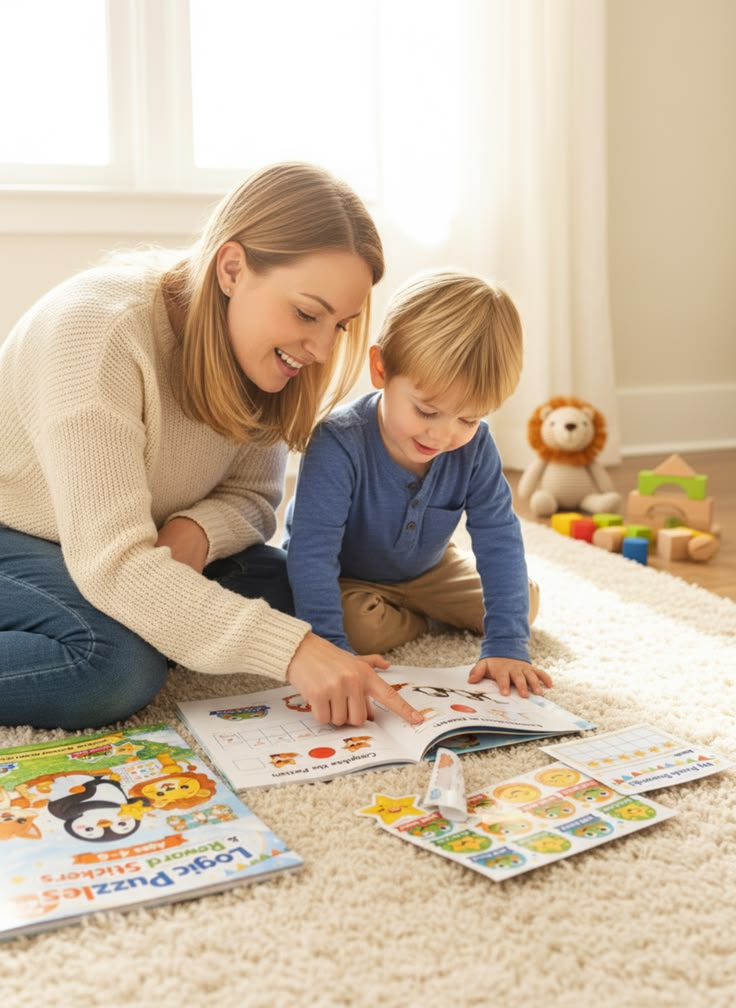
Begin with something your child can finish in about three to five minutes. Choose an activity with a clear ending, like a single maze. Sit nearby, and stop the moment your child succeeds, even if they could keep going. That “I did it!” feeling makes tomorrow’s try easier. With a 3-year-old, try half the maze. With a 5-year-old, offer a second page. A free maze worksheet is an easy place to start.
2. Protect Sleep
Make sleep your first fix. The CDC says kids ages 3–5 need 10 to 13 hours in 24 hours, including naps. Count back from your child’s wake-up time to find a bedtime that fits. If things fall apart late in the day, check naps and bedtime before changing the activity.
3. Cut Back on Screens
Aim for no more than one hour a day of quality programming, and keep TVs out of the bedroom, as the CDC suggests. The AAP explains that screens can crowd out play, outdoor time, books, and conversation. Try swapping one screen block for something hands-on, and skip the tablet as a calm-down tool. A family media plan helps everyone agree on the rules.
4. Let Them Move First
Try five minutes of active play before sitting down. Think tag, tossing a ball, or flying a kite, which the AAP lists as good active play for preschoolers. This is a practical trick, not a proven fix, so notice how your child responds.
5. Build a Simple Routine With Pictures
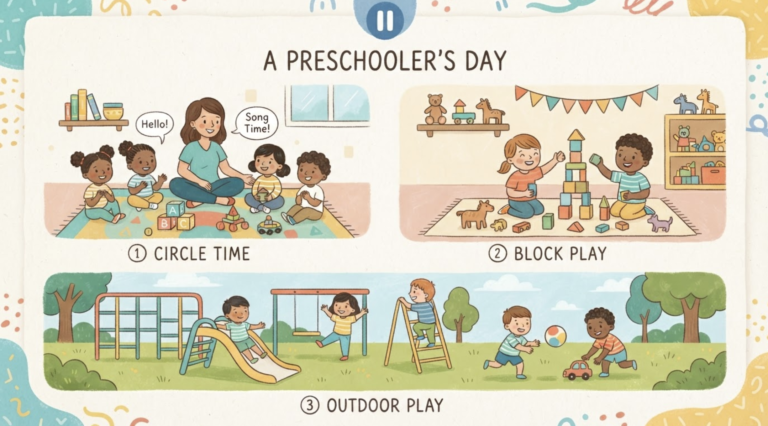
A predictable routine tells your child what’s coming, which often means less pushback. The AAP says kids start learning their own daily routine around age three. Draw three pictures, like play, snack, and activity, and let your child check each one off. Offer a choice too, such as “maze or tracing?” The CDC recommends simple choices for this age.
What Are the Best Focus Games and Activities for Kids?
The best ones make kids pause, remember a rule, and switch gears. Harvard’s guide for ages 3–5 suggests these games:
- Freeze dance: When the music stops, freeze and copy a pose from a picture card.
- Sorting with changing rules: Sort by color, then switch to shape.
- Opposite bingo: Mark the opposite of what you call out, like night for “day.”
- Cooking together: Let your child follow simple steps while measuring and counting.
Five minutes is plenty for each.
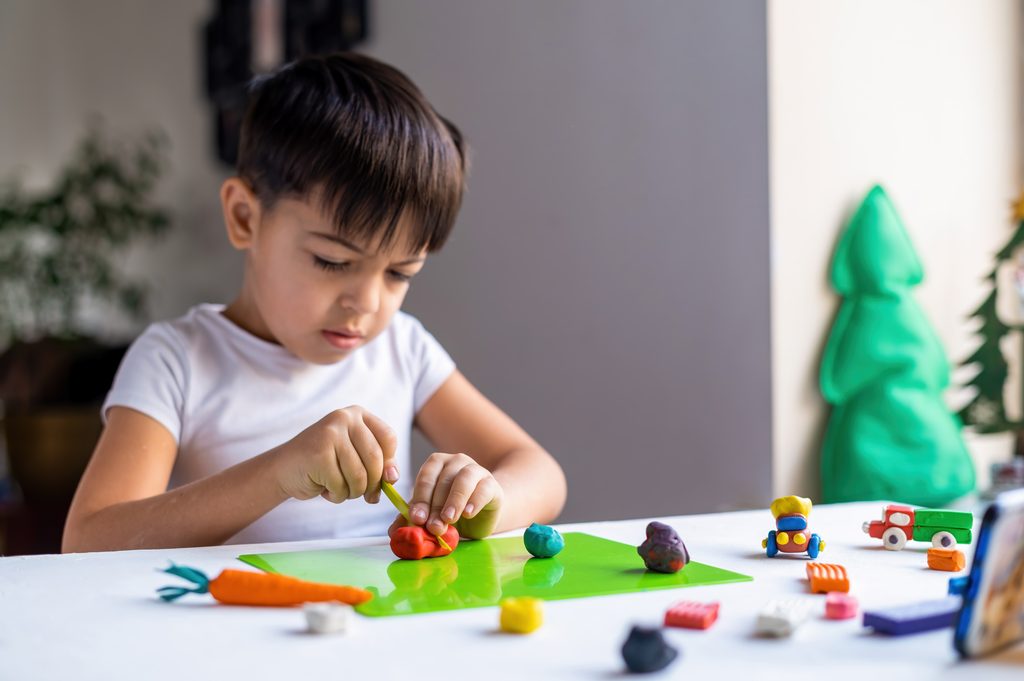
Quiet table activities like tracing, cutting, and mazes work too, because they give little hands a clear job to finish. Offer one at a time. They build fine motor and pre-writing skills, but they won’t guarantee better attention.
What Does a Focus-Friendly Afternoon Look Like?
Short, varied, and calm. Here’s one realistic example for a 4-year-old after a snack:
- Five minutes of tag or ball tossing in the yard.
- A three-to-five-minute maze at the table, with you sitting close.
- A quick round of freeze dance.
- Free play while you check off the “activity” picture together.
That’s about 15 minutes of “focus work,” and it feels like play. If your child is tired or cranky, skip it and try tomorrow.
How Can I Help My Child Focus at School?
Share what works at home with the teacher, and ask what they see in class. The CDC notes that when doctors look into attention concerns, they gather details from parents, teachers, and other caregivers. Ask if directions can come one step at a time. If you want to know how to help kindergarteners focus, a short movement break between seated tasks is a good thing to request. Then keep home routines steady, so school days feel familiar and calm.
What Should I Do If It’s Not Working?
Make it smaller, then try again later.
- Shrink the task. Do half, or just the first step.
- Change the timing. Try after a snack and some movement.
- Sit beside your child for the first minute, then step back. Harvard calls this “help first, then let go.”
- Clear the space. Turn off the TV and put away extra toys.
- Stop calmly. Try again tomorrow.
When Should I Talk to My Pediatrician?
Talk to them if your worries last or affect daily life. Most kids struggle to focus at times. The CDC says that with ADHD, those struggles don’t fade with age and cause problems at school, at home, and with friends. There’s no single test, and sleep trouble, anxiety, or learning disabilities can look similar. If a child under 6 is diagnosed, the CDC says parent training in behavior management should come first. Worksheets and routines support skills. They don’t replace professional care.
Your Next Step
Short tasks, good sleep, fewer screens, and playful practice add up. Pick one step and try it for a week. If you’d like a simple tracing page to try alongside step one, these free pencil control cards are one option. Whatever you choose, keep it short and keep it kind.