Struggling to keep your child calm, focused, and happy during learning time?
Do meltdowns seem to come out of nowhere?
You might be trying your best—but unknowingly hurting their emotional regulation.
The truth is, ADHD kids don’t need stricter control—they need better support.
In this guide, you’ll discover:
- Simple Montessori activities for kids with ADHD
- How to improve focus without pressure
- Gentle ways to support emotional regulation (without harming it)
Why Montessori Activities Help ADHD Kids Thrive
Montessori isn’t about forcing children to behave.
It’s about helping them:
- Feel safe
- Stay engaged
- Learn through movement
For ADHD kids, this is powerful.
What ADHD Kids Really Need
- Predictable routines
- Hands-on learning
- Emotional safety
- Freedom within limits
When these are missing, you’ll see:
- Tantrums
- Avoidance
- Short attention spans
Best Montessori Activities for Kids with ADHD
1. Practical Life Activities (Calm + Focus Builder)
These activities may look “too simple”—but they’re powerful.
Try This:
- Pouring water between cups
- Spooning beans or rice
- Wiping a table
- Folding small towels
Why It Works:
- Repetitive motion calms the brain
- Builds focus naturally
- Reduces anxiety
Hidden Mistake Parents Make (Emotional Regulation)
Here’s something important.
You might be saying things like:
- “Stop crying”
- “Calm down right now”
- “Why are you acting like this?”
👉 These hurt emotional regulation over time.
What ADHD Kids Hear Instead:
- “My feelings are wrong”
- “I shouldn’t express emotions”
- “I’m not understood”
Better Approach:
Say:
- “I see you’re upset”
- “That feels hard, doesn’t it?”
- “I’m here with you”
This builds emotional safety, which improves behavior naturally.
2. Sensory Bins (For Focus + Emotional Release)
ADHD kids often feel overwhelmed inside.
Sensory play helps release that.
Ideas:
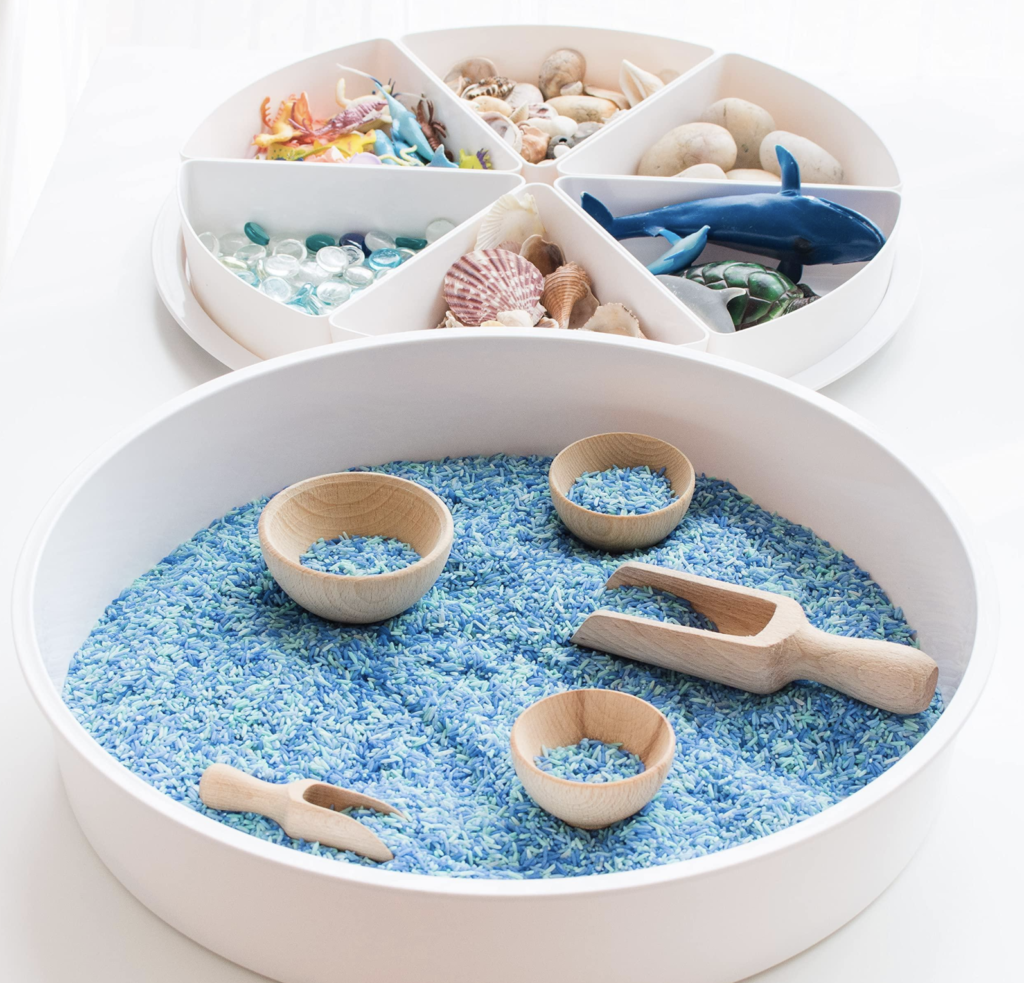
- Rice + small toys
- Sand + scooping tools
- Water play with cups
Benefits:
- Calms the nervous system
- Improves attention
- Reduces emotional outbursts

3. Movement-Based Learning Activities
Sitting still is not the goal.
Learning with movement is.
Try:
- Jump while counting
- Walk and match letters
- Hop to numbers on the floor
Why This Matters:
Movement helps ADHD brains:
- Process information better
- Stay engaged longer
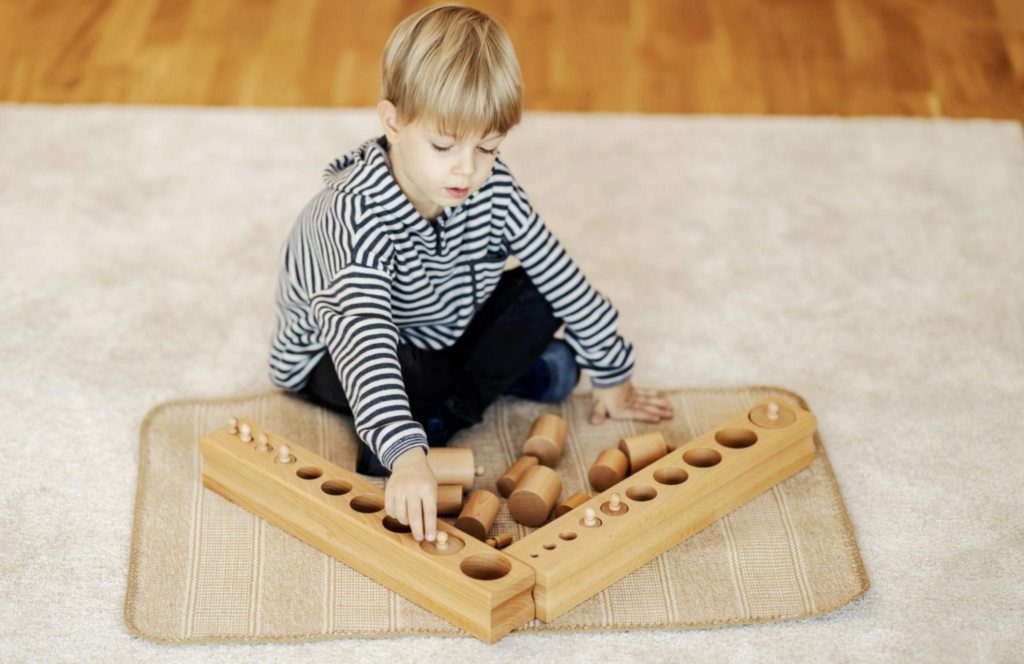
4. Sorting & Matching Activities (Build Focus Gently)
Simple—but effective.
Examples:
- Sort colors
- Match animals
- Group by size
Why It Works:
- Clear goal = less overwhelm
- Builds attention step-by-step
5. Quiet Corner (Emotion Regulation Tool)
This is NOT a punishment corner.
It’s a safe calm-down space.
What to Include:
- Soft pillow
- Favorite toy
- Calm-down cards
- Picture books
Teach Your Child:
“This is your space when you feel big emotions.”
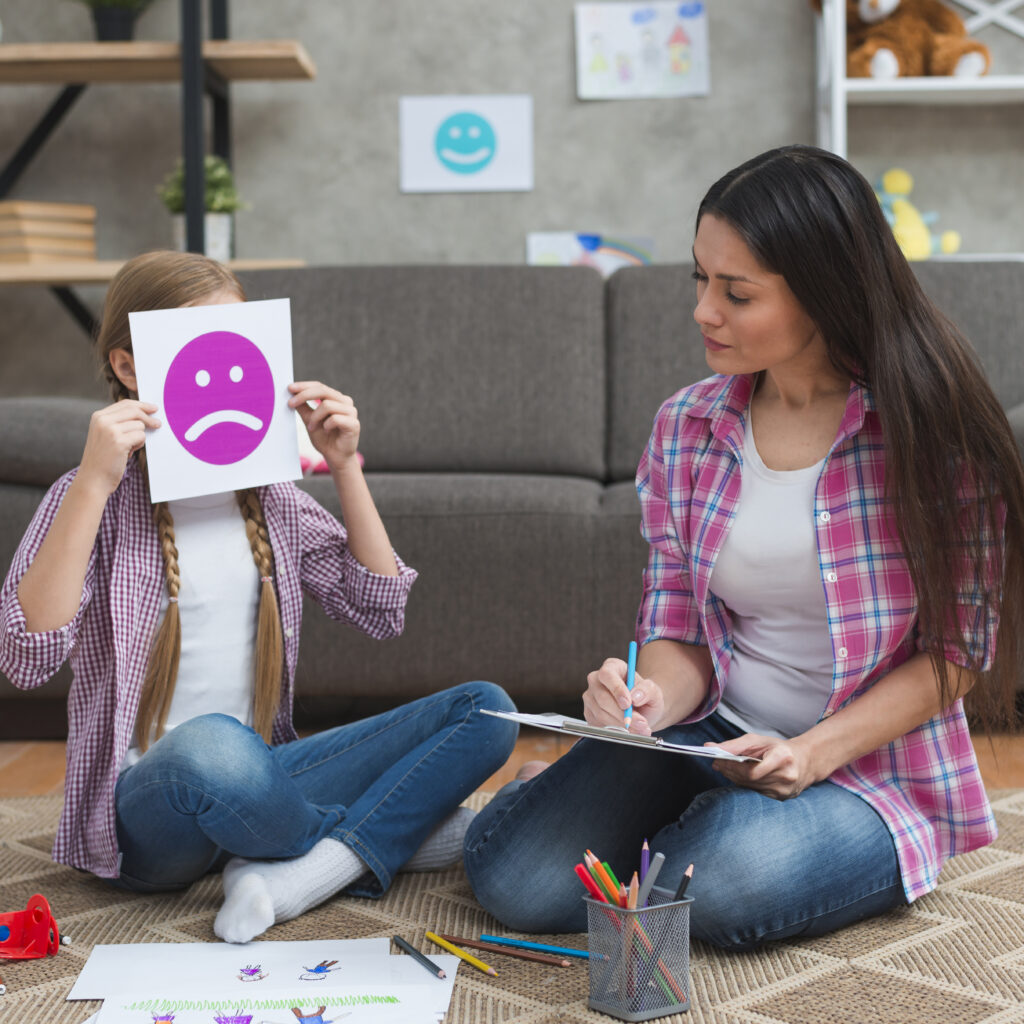
How Parents Accidentally Hurt Emotional Regulation
This part matters deeply.
Even loving parents can unknowingly make things harder.
Common Mistakes
- Rushing emotions (“Stop it now”)
- Ignoring feelings
- Punishing emotional reactions
- Talking too much during meltdowns
What Happens:
Your child:
- Feels misunderstood
- Gets more overwhelmed
- Struggles to self-regulate
Gentle Tips to Support Emotional Regulation
1. Pause Before Reacting
Instead of reacting fast:
👉 Take a breath
👉 Lower your voice
Your calm = their calm

2. Name the Emotion
Say:
- “You’re feeling frustrated”
- “That made you angry”
This helps children:
- Understand feelings
- Learn self-control
3. Stay Close (Don’t Withdraw)
Even during tantrums.
👉 Your presence = safety
4. Keep Words Minimal
During big emotions:
- Less talking
- More presence
5. Teach Calm Moments (Not During Meltdown)
Practice when they are calm:

- Deep breathing
- Quiet corner use
Practical Daily Montessori Routine (ADHD-Friendly)
Keep it simple.
Example:
- Morning: Pouring activity (10 min)
- Break
- Sorting game (8 min)
- Movement activity
- Sensory play
👉 Short + predictable = success
Free Printable: Calm-Down & Activity Cards
Make things easier for both of you.
Create printable cards with:
- Simple activities
- Calm-down steps
- Visual cues
Example Cards:
- “Take 3 deep breaths”
- “Go to quiet corner”
- “Choose an activity”
🔗 You Might Also Like
- How to Teach ADHD Child Montessori at Home
- Simple Calm-Down Techniques for Preschoolers
- ADHD Routine Chart for Kids (Free Printable)
Final Thoughts
Your child is not “too much.”
They’re just processing the world differently.
Montessori activities give them:
- Structure
- Freedom
- Emotional safety
And when you support their emotions gently,
you’ll see more calm, more focus, and more connection.
Start small.
Stay patient.
And remember—connection always comes before correction.